
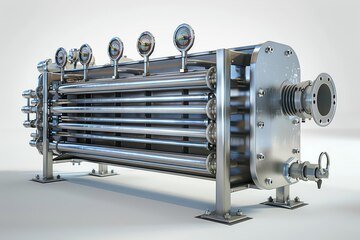
Universal Heat Exchangers: Powering Industrial Efficiency with Advanced Thermal Solutions.
In today’s rapidly evolving industrial landscape, efficient thermal management has become essential for operational reliability, energy efficiency, and equipment longevity. Companies across sectors such as power generation, automotive, railways, marine, oil & gas, manufacturing, and heavy engineering rely heavily on advanced cooling technologies to maintain uninterrupted performance. Among the recognized names in the thermal engineering industry, Universal Heat Exchangers has established itself as a trusted provider of industrial heat exchanger solutions, customized cooling systems, and high-performance thermal equipment designed for demanding industrial applications. From industrial radiators to shell and tube heat exchangers, air-cooled heat exchangers, and customized cooling units, the company contributes significantly to improving energy efficiency and machine performance across multiple sectors.
What is a Heat Exchanger?
A heat exchanger is a mechanical device designed to transfer heat from one fluid to another without mixing them. These systems are critical in industries where maintaining controlled temperatures is necessary for process efficiency and equipment safety.
Modern industries utilize various types of heat exchangers, including:
- Shell and Tube Heat Exchangers
- Plate Heat Exchangers
- Air Cooled Heat Exchangers
- Oil Coolers
- Charge Air Coolers
- Industrial Radiators
- Hydraulic Cooling Systems
- Liquid Cooling Units
These systems help regulate temperatures in engines, generators, turbines, compressors, hydraulic systems, and manufacturing processes.
Importance of Industrial Heat Exchangers
Industrial heat exchangers are vital because they help
- Improve energy efficiency
- Reduce operational downtime
- Enhance equipment lifespan
- Maintain optimal operating temperatures
- Prevent overheating in heavy machinery
- Support sustainable industrial operations
Industries today increasingly search for solutions like:
- “Best industrial heat exchanger manufacturer”
- “High-efficiency cooling systems”
- “Industrial radiator suppliers”
- “Customized heat exchanger solutions”
- “Heavy equipment cooling systems”
This growing demand highlights the importance of advanced thermal engineering in modern manufacturing and industrial operations.
Applications of Universal Heat Exchanger Systems
1. Power Generation Industry
Power plants require highly efficient cooling systems to regulate temperatures in turbines, generators, transformers, and auxiliary equipment.
Heat exchangers are commonly used for:
- Generator cooling
- Transformer oil cooling
- Turbine temperature control
- Waste heat recovery systems
Reliable thermal management ensures uninterrupted power production and reduces maintenance costs.
2. Automotive and Heavy Vehicles
The automotive industry depends heavily on radiator and cooling technologies for engine performance and fuel efficiency.
Applications include:
- Engine radiators
- Oil coolers
- Charge air coolers
- Battery thermal management systems
- EV cooling systems
With the rise of electric vehicles, demand for advanced liquid cooling technologies is rapidly increasing.
3. Marine and Offshore Applications
Marine engines operate under extreme environmental conditions and require robust cooling systems for efficient operation.
Marine heat exchangers help in:
- Engine cooling
- Hydraulic oil cooling
- Fuel cooling systems
- Seawater heat transfer applications
Corrosion-resistant materials and compact designs are essential for marine thermal systems.
4. Railway and Locomotive Cooling
Locomotives require durable and high-capacity cooling systems capable of operating continuously under varying loads and harsh environmental conditions.
Railway cooling solutions include:
- Locomotive radiators
- Engine cooling units
- Compressor cooling systems
- Dynamic braking resistors cooling
Efficient cooling directly impacts locomotive reliability and operational safety.
5. Industrial Manufacturing Plants
Manufacturing industries use heat exchangers in production lines, hydraulic systems, compressors, and process cooling applications.
Industries include:
- Steel plants
- Cement plants
- Chemical processing
- Textile manufacturing
- Food processing
Customized cooling systems help improve productivity and reduce energy consumption.
Features of Advanced Heat Exchanger Solutions
Modern industrial cooling systems are designed with:
High Thermal Efficiency
Optimized heat transfer performance for maximum cooling efficiency.
Corrosion Resistance
Use of stainless steel, aluminum, copper, and specialized alloys for long operational life.
Compact Design
Space-saving configurations for industrial installations.
Low Maintenance
Engineered for reduced downtime and easy servicing.
Energy Savings
Efficient thermal management lowers overall energy consumption.
Growing Demand for Customized Cooling Solutions
Industries today increasingly prefer customized thermal management systems tailored to specific operational requirements.
Customized solutions provide:
- Better performance optimization
- Improved equipment compatibility
- Enhanced energy efficiency
- Longer operational lifespan
- Lower lifecycle costs
This trend has increased searches for terms like
- “Custom heat exchanger manufacturer”
- “Industrial cooling unit suppliers”
- “OEM heat exchanger solutions”
- “High-performance radiator manufacturer”
Future of the Heat Exchanger Industry
The global heat exchanger market is witnessing strong growth due to:
- Expansion of renewable energy projects
- Rising industrial automation
- Growth in electric vehicles
- Increasing demand for energy-efficient systems
- Infrastructure development worldwide
Emerging technologies such as smart thermal management, IoT-enabled monitoring systems, and advanced aluminum brazed heat exchangers are shaping the future of industrial cooling.
Choosing the Right Heat Exchanger Manufacturer
When selecting an industrial heat exchanger supplier, industries should consider the following:
- Engineering expertise
- Product quality standards
- Customization capabilities
- Industry experience
- Manufacturing infrastructure
- After-sales support
- Compliance with international standards
A reliable manufacturer ensures efficient performance, operational safety, and long-term cost savings.
Conclusion
As industries continue to prioritize operational efficiency and sustainability, the role of advanced thermal management systems becomes increasingly important. Companies like Universal Heat Exchangers Ltd. contribute significantly to industrial growth by delivering innovative, reliable, and energy-efficient cooling solutions for diverse applications. From industrial radiators and cooling units to customized heat exchanger systems, modern thermal technologies are helping industries achieve better performance, reduced downtime, and improved energy efficiency. The future of industrial cooling lies in innovation, precision engineering, and sustainable thermal management solutions that can meet the growing demands of global industries.


