
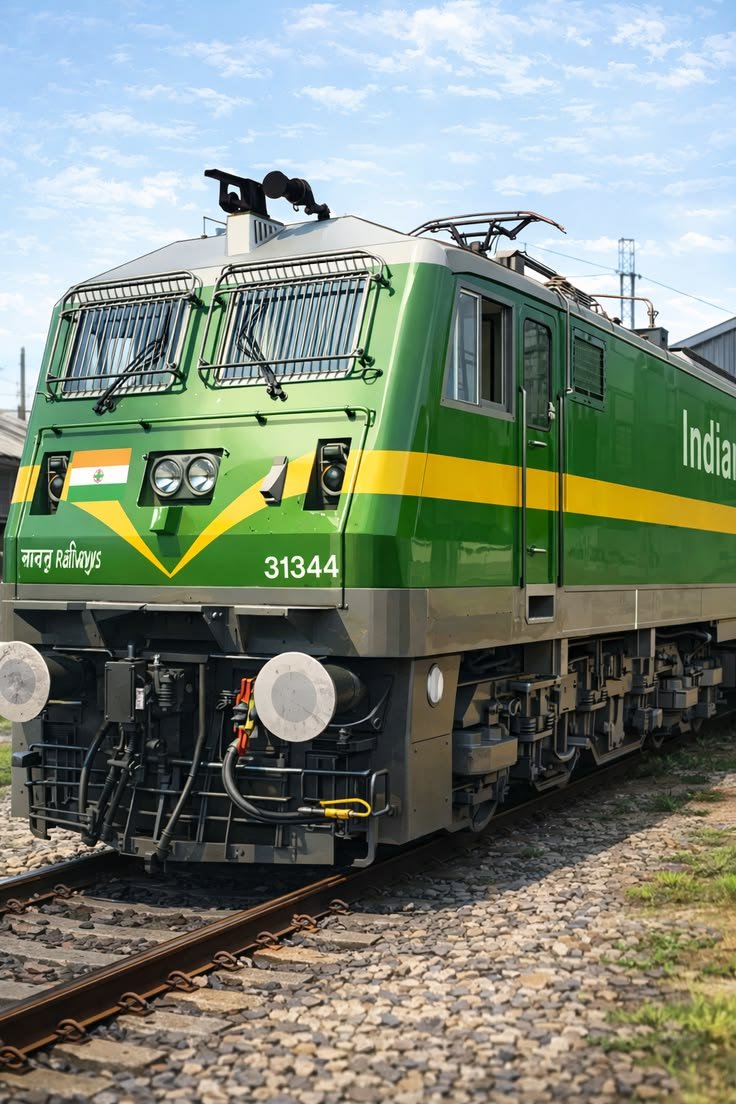
When it comes to locomotives, the unsung hero of performance and reliability often lies in the cooling system, more specifically, the radiator. Radiators play a pivotal role in maintaining the optimal temperature of the engine, ensuring it runs efficiently and prolonging its lifespan. Without an effective radiator, a locomotive is prone to overheating, which can lead to catastrophic failures and costly repairs. Therefore, understanding the importance of radiators in locomotive performance is crucial for anyone involved in the maintenance and operation of these powerful machines.
Radiators are responsible for dissipating the excessive heat generated by the engine during operation. The high-intensity work of a locomotive engine produces a significant amount of heat, which, if not managed properly, can cause the engine components to wear out prematurely or even warp. By efficiently transferring this heat away from the engine, radiators help maintain the engine's temperature within a safe range, preventing overheating and ensuring smooth and reliable performance.
Moreover, radiators contribute to fuel efficiency, which is a critical factor in the transportation industry. An engine that operates at its optimal temperature consumes fuel more efficiently, reducing operational costs and minimizing environmental impact. By investing in high-quality radiators, locomotive operators can achieve better fuel economy, lower emissions, and overall improved performance of their fleet.
To appreciate the role of radiators in locomotive performance, it's essential to understand how they work. At its core, a radiator is a heat exchanger that transfers thermal energy from the engine coolant to the air. The coolant, a fluid that absorbs heat from the engine, circulates through the radiator, where it releases the absorbed heat to the surrounding air.
The process begins with the engine generating heat during combustion. This heat is absorbed by the coolant, which is then pumped through the engine block and cylinder head to capture the thermal energy. The heated coolant flows into the radiator, where it passes through a network of thin tubes and fins. These tubes and fins increase the surface area for heat dissipation, allowing the coolant to release its heat more efficiently.
Airflow plays a crucial role in this process. As the locomotive moves, air flows through the radiator, aiding in the cooling process by carrying away the released heat. Additionally, many locomotives are equipped with fans to enhance airflow, especially when the locomotive is stationary or moving at low speeds. By maintaining a continuous flow of air, the radiator can effectively cool the engine coolant, ensuring the engine remains at a safe operating temperature.
There are several types of automotive radiators used in locomotives, each with its own advantages and applications. The choice of radiator depends on factors such as the locomotive's design, operating conditions, and performance requirements. Understanding the different types of radiators can help in selecting the most suitable one for a specific locomotive.
One common type is the tube-and-fin radiator, which features a series of tubes connected to fins. The coolant flows through the tubes, while the fins increase the surface area for heat dissipation. This design is highly efficient and widely used in various applications, including locomotives. Tube-and-fin radiators are known for their durability and ability to handle high temperatures, making them a popular choice for heavy-duty locomotives.
Another type is the plate-and-bar radiator, which consists of a series of plates and bars that create channels for the coolant to flow through. This design offers excellent heat transfer capabilities and is often used in high-performance locomotives. Plate-and-bar radiators are compact and lightweight, making them suitable for applications where space and weight are critical considerations. They are also known for their ability to withstand high pressures and provide efficient cooling in demanding conditions.
Finally, there are crossflow radiators, which feature tanks on the sides and a core with horizontal tubes. The coolant flows horizontally through the tubes, while air flows vertically through the core. This design allows for efficient heat exchange and is commonly used in modern locomotives. Crossflow radiators offer a good balance of performance, durability, and ease of maintenance, making them a popular choice for a wide range of locomotive applications.
High-quality radiators possess several key features that contribute to their superior performance and reliability. These features are designed to enhance the cooling efficiency, durability, and overall functionality of the radiator, ensuring optimal performance of the locomotive's engine.
One of the most important features of a high-quality radiator is its construction material. Radiators made from materials such as aluminum or copper offer excellent thermal conductivity, allowing for efficient heat transfer. Aluminum radiators are lightweight and resistant to corrosion, making them ideal for heavy-duty applications. Copper radiators, on the other hand, provide superior heat dissipation and are known for their durability and longevity.
Another critical feature is the design of the radiator core. High-quality radiators often feature a dense core with a high fin count, which increases the surface area for heat dissipation. This design allows the radiator to transfer heat more effectively, ensuring the engine remains at a safe operating temperature. Additionally, high-quality radiators may incorporate advanced cooling technologies, such as multi-pass or dual-core designs, to further enhance cooling efficiency.
Durability and reliability are also essential features of high-quality radiators. These radiators are built to withstand the harsh conditions and demands of locomotive operation. They are designed to handle high pressures, resist leaks, and endure vibrations and shocks. High-quality radiators often undergo rigorous testing and quality control measures to ensure they meet or exceed industry standards, providing peace of mind and long-term performance for locomotive operators.
Upgrading to fine automotive radiators offers numerous benefits that can significantly enhance the performance and reliability of a locomotive. These benefits extend beyond improved cooling efficiency and include factors such as fuel economy, reduced maintenance costs, and extended engine life.
One of the primary advantages of upgrading to fine automotive radiators is enhanced cooling performance. Fine radiators are designed with advanced technologies and materials that provide superior heat dissipation. This results in better temperature control, preventing overheating and ensuring the engine operates within its optimal temperature range. Improved cooling performance translates to more consistent and reliable engine operation, reducing the risk of breakdowns and costly repairs.
Another significant benefit is improved fuel efficiency. Engines that operate at optimal temperatures are more fuel-efficient, as they can burn fuel more completely and efficiently. Fine automotive radiators help maintain the engine's temperature within this optimal range, leading to lower fuel consumption and reduced operational costs. This is particularly important for locomotives, where fuel expenses can constitute a significant portion of the operating budget.
Upgrading to fine automotive radiators also contributes to the longevity of the engine and other critical components. By preventing overheating and reducing thermal stress, fine radiators help minimize wear and tear on the engine. This leads to extended engine life and reduced maintenance requirements, saving time and money for locomotive operators. Additionally, fine radiators are often more durable and reliable, further reducing the likelihood of unexpected failures and downtime.
Radiators, like any other component, can experience issues that may affect their performance and, consequently, the performance of the locomotive. Understanding these common issues and their impact can help in diagnosing problems early and taking corrective measures to prevent more significant damage.
One common issue with radiators is clogging or blockage. Over time, debris, dirt, and mineral deposits can accumulate inside the radiator, restricting the flow of coolant. This can lead to reduced cooling efficiency and overheating of the engine. Clogging can also cause uneven cooling, resulting in localized hotspots that can damage engine components. Regular maintenance and periodic flushing of the radiator can help prevent clogging and ensure optimal performance.
Leaks are another prevalent issue with radiators. Radiator leaks can occur due to various reasons, such as corrosion, physical damage, or worn-out seals and gaskets. Leaks can lead to a loss of coolant, reducing the radiator's ability to dissipate heat effectively. Low coolant levels can cause the engine to overheat, leading to potential damage and costly repairs. Identifying and repairing leaks promptly is essential to maintain the radiator's performance and prevent engine overheating.
Corrosion is a common problem, especially in radiators made from materials like copper or brass. Corrosion can weaken the radiator's structure, leading to leaks and reduced cooling efficiency. It can also cause blockages and restrict coolant flow. Using high-quality coolants and ensuring proper maintenance can help prevent corrosion and extend the lifespan of the radiator. Regular inspections and cleaning are also crucial to detect and address corrosion issues early.
Proper maintenance is key to ensuring the optimal functionality of radiators and preventing common issues that can affect performance. By following a few essential maintenance tips, locomotive operators can keep their radiators in top condition and ensure the reliable operation of their engines.
Regular inspection is one of the most important maintenance practices. Periodically checking the radiator for signs of damage, leaks, or corrosion can help identify issues early and prevent more significant problems. Inspecting the radiator hoses, clamps, and connections is also essential to ensure they are secure and in good condition. Any signs of wear, cracks, or leaks should be addressed promptly to maintain the radiator's performance.
Flushing the radiator is another crucial maintenance task. Over time, debris, dirt, and mineral deposits can accumulate inside the radiator, restricting coolant flow and reducing cooling efficiency. Flushing the radiator with a cleaning solution helps remove these contaminants and restore optimal performance. It is recommended to flush the radiator at least once a year or as per the manufacturer's guidelines to ensure proper cooling and prevent clogging.
Using the right coolant is essential for maintaining radiator functionality. The coolant not only helps regulate the engine's temperature but also provides corrosion protection and lubrication for the radiator and other cooling system components. Using high-quality, manufacturer-recommended coolant and maintaining the correct coolant level can significantly improve the radiator's performance and longevity. Regularly checking and topping up the coolant level is also important to prevent overheating and ensure efficient heat dissipation.
When it comes to locomotive radiators, there is a significant difference between traditional and fine automotive radiators. Understanding these differences can help in making an informed decision when considering an upgrade for enhanced performance and reliability.
Traditional radiators, often made from materials like brass or copper, have been used for many years in various applications, including locomotives. While they offer good thermal conductivity and durability, traditional radiators tend to be heavier and more susceptible to corrosion. They may also have lower cooling efficiency compared to modern fine automotive radiators. Traditional radiators often require more frequent maintenance and may not provide the same level of performance as their fine counterparts.
Fine automotive radiators, on the other hand, are designed with advanced technologies and materials that offer superior cooling performance and durability. These radiators are often made from lightweight materials like aluminum, which provides excellent thermal conductivity and resistance to corrosion. Fine radiators are engineered to maximize heat dissipation, with features such as high-density cores, advanced fin designs, and multi-pass configurations. These enhancements result in better temperature control, improved fuel efficiency, and extended engine life.
Another key difference is the overall design and construction quality. Fine automotive radiators are built to meet or exceed industry standards, with rigorous testing and quality control measures in place. This ensures that they can withstand the demanding conditions of locomotive operation and provide reliable performance over the long term. The advanced design and construction of fine radiators also contribute to reduced maintenance requirements and lower operational costs, making them a more cost-effective choice in the long run.
Several case studies highlight the significant impact of upgrading to fine automotive radiators on locomotive performance. These success stories demonstrate how investing in high-quality radiators can lead to improved efficiency, reliability, and overall performance of locomotive engines.
One notable case study involves a freight railway company that experienced frequent overheating issues with their traditional radiators. The overheating problems led to engine failures, increased maintenance costs, and operational disruptions. After upgrading to fine automotive radiators, the company observed a remarkable improvement in cooling efficiency. The new radiators effectively maintained the engine temperature within the optimal range, eliminating overheating issues. This resulted in reduced downtime, lower maintenance costs, and improved reliability of their locomotive fleet.
In another case study, a passenger railway operator sought to enhance the fuel efficiency of their locomotives. By upgrading to fine automotive radiators, they achieved significant improvements in fuel economy. The advanced cooling technology of the new radiators ensured that the engines operated at optimal temperatures, allowing for more efficient combustion and reduced fuel consumption. The operator reported substantial cost savings on fuel expenses and a positive impact on their overall operational budget.
A third case study involves a mining company that operated locomotives in harsh and demanding conditions. The traditional radiators in their fleet struggled to handle the extreme temperatures and heavy workloads, leading to frequent breakdowns and costly repairs. After switching to fine automotive radiators, the company experienced a dramatic increase in radiator durability and reliability. The new radiators effectively withstood the harsh conditions, providing consistent cooling performance and reducing the frequency of failures. This resulted in improved productivity, reduced maintenance costs, and increased operational efficiency.
In conclusion, investing in fine automotive radiators is a wise decision for anyone looking to enhance the performance, reliability, and longevity of their locomotive engines. Fine radiators offer numerous benefits, including superior cooling efficiency, improved fuel economy, and reduced maintenance requirements. By upgrading to high-quality radiators, locomotive operators can ensure that their engines operate within optimal temperature ranges, preventing overheating and minimizing the risk of costly repairs.
The advanced technologies and materials used in fine automotive radiators provide significant advantages over traditional radiators. These radiators are designed to maximize heat dissipation, withstand demanding conditions, and offer long-term durability. The case studies presented highlight the positive impact of upgrading to fine radiators, demonstrating how they can lead to improved operational efficiency, reduced downtime, and cost savings.
Ultimately, the importance of radiators in locomotive performance cannot be overstated. They play a critical role in maintaining the engine's temperature, ensuring reliable operation, and extending the lifespan of the engine and other components. By prioritizing the use of fine automotive radiators, locomotive operators can achieve enhanced performance, fuel efficiency, and overall reliability, making it a worthwhile investment for the future.


